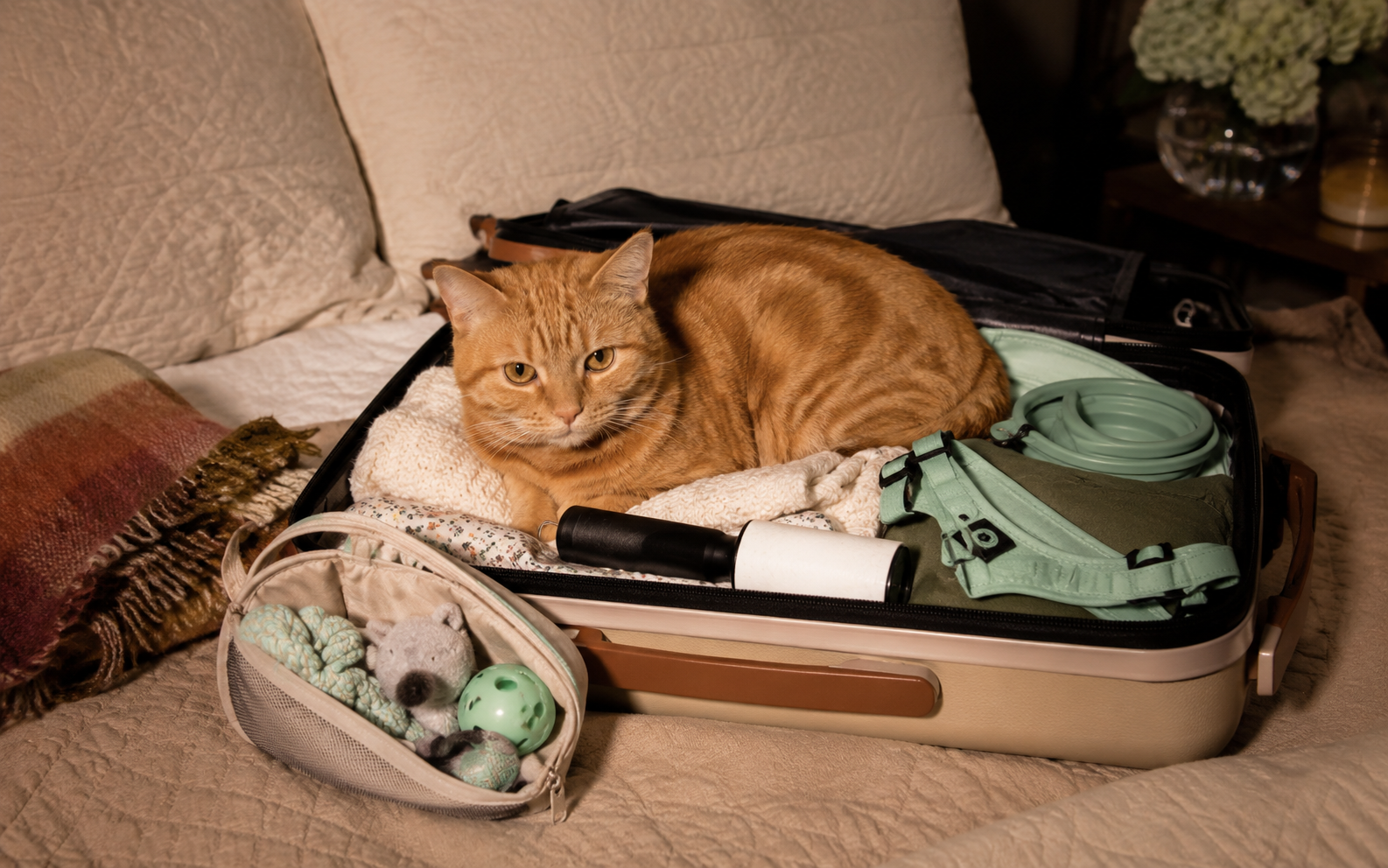
A cat play routine gives your pet structure without making life feel rigid. Cats enjoy patterns because patterns create safety. They also enjoy novelty because novelty sparks curiosity. The best routine balances both needs. It gives your cat familiar play times with changing activities. This can reduce boredom, support healthy movement, and make indoor life more rewarding. It also helps owners avoid the daily question of what to do next. A smart cat activity planning bundle can make that rhythm easier. With the right flow, afternoons become more playful, focused, and calm.
Random play can still be fun, but it often lacks consistency. Your cat may receive attention only when you remember. That makes boredom harder to predict and prevent. Routine gives your cat something reliable. It also helps you build play into normal life. Short sessions after work can become a shared ritual. Morning puzzles can make breakfast more interesting. Evening chasing games can release energy before sleep. The routine does not need to be long. It needs to happen often enough that your cat feels engaged.
Many cats become active at dawn and dusk. These natural energy peaks make great play windows. Watch when your cat runs, vocalizes, or seeks attention. Use those moments instead of fighting them. A short session before breakfast can satisfy hunting instincts. Another before dinner can create a smoother evening. Some cats also enjoy midday interaction. Older cats may prefer slower sessions. Kittens often need more frequent variety. A daily feline play plan helps match activity to real energy patterns.
Busy owners need play that feels realistic. Ten perfect activities are useless if nobody has time. Choose two reliable sessions and keep them simple. Use a wand toy for focused movement. Add a puzzle feeder when you need hands-free enrichment. Hide treats before leaving a room. Rotate toys once or twice weekly. Keep supplies in one easy spot. This reduces friction and makes consistency more likely. Your cat does not need an elaborate performance. They need repeated moments that feel attentive, stimulating, and satisfying.
Some play routines fail because they move too fast. Cats need time to stalk before chasing. If the toy never slows down, the game becomes confusing. Other routines fail because the cat never catches anything. That can leave them restless instead of satisfied. Avoid using your hands as toys. This teaches biting and scratching the wrong target. Put away string toys after supervised play. Keep sessions short when your cat loses interest. A curious cat entertainment pack can help owners avoid repetitive or unsafe habits.
Freshness comes from small adjustments. Change the toy path. Move the tunnel. Hide treats in a different room. Place a box near a new corner. Use crinkly paper one week and soft fabric the next. These changes create interest without overwhelming your cat. Track what earns the strongest response. Some cats love flying toys. Others love ground movement. A few prefer scent games or food puzzles. Your routine becomes stronger when it responds to your cat’s real preferences instead of generic advice.
The ending matters as much as the beginning. Cats enjoy completing the hunting sequence. Let your cat catch the toy before stopping. Offer a treat or meal afterward when appropriate. This makes the session feel complete. It can also help your cat settle more easily. Avoid ending suddenly during peak excitement. That may leave your pet searching for another outlet. Watch for relaxed posture, slower movement, or grooming. Those signs often mean the session worked. A satisfying finish turns play from scattered activity into a healthy daily ritual.

Leave a comment