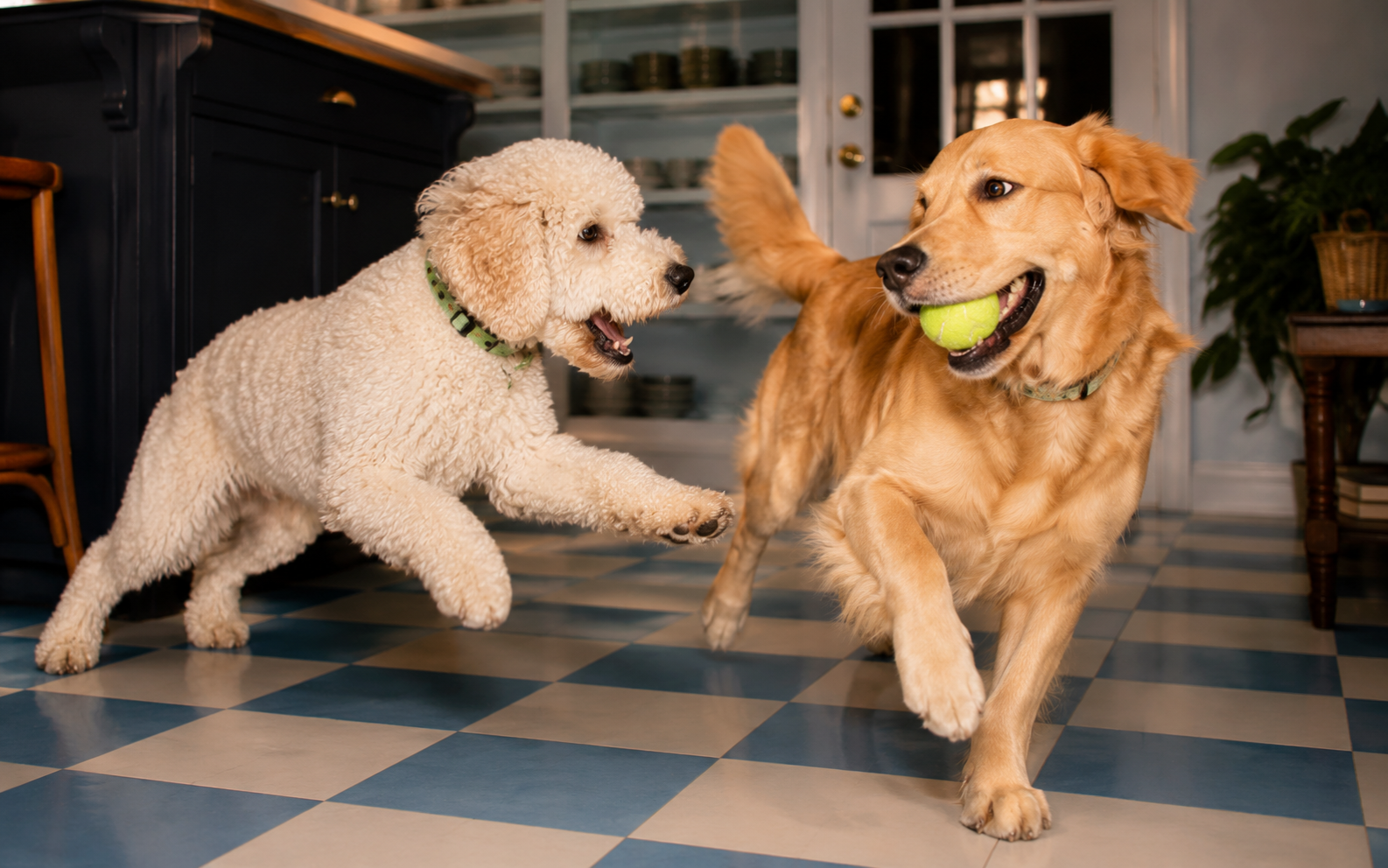
A pet-proof home begins with seeing ordinary rooms from your animal’s point of view. What looks harmless to you may look chewable, climbable, or snackable to them. Loose cords invite teeth. Open bins invite investigation. Small objects can become dangerous discoveries. A safe home does not need to feel sterile. It should feel comfortable, practical, and thoughtfully arranged. Prevention works best before curiosity creates a problem. Owners gain peace of mind when safety becomes part of the daily setup. A reliable pet safety planning kit can make that process much easier.
Pets explore the world close to the ground. That makes floor-level hazards especially important. Look for dropped pills, rubber bands, coins, and tiny toy pieces. Check under sofas, beds, and cabinets. These spaces often collect objects humans forget. Pets do not understand which items are dangerous. They investigate with mouths, paws, and noses. Kitchen floors deserve extra attention after cooking. Bathroom floors can hide hair ties or cosmetic packaging. A careful scan takes only minutes. When done regularly, it prevents many common emergencies before they ever begin.
Kitchens and bathrooms contain some of the highest-risk household items. Cleaning products should stay secured. Trash bins should close firmly. Human food should never sit within easy reach. Many pets learn counter access faster than owners expect. Bathroom cabinets also need attention. Razors, medications, cotton swabs, and lotions can attract curious animals. Use latches when needed. Store toxic items behind closed doors. A fully pet-safe home setup helps owners review these rooms without missing the obvious details.
Cords can tempt puppies, kittens, rabbits, and even older pets. Cover exposed wires whenever possible. Move chargers when they are not in use. Use cord channels near desks and entertainment areas. Furniture also deserves attention. Unstable shelves can tip. Loose blankets can create slipping hazards. Recliners can be risky for small animals hiding underneath. Check gaps behind appliances and heavy furniture. Pets love narrow spaces. They can also get stuck in them. Preventing access is easier than managing a frightened rescue from an awkward corner.
Safety changes as pets mature. A sleepy senior dog has different risks than a teething puppy. A kitten becomes a climber before many owners expect it. New behaviors require new safety checks. Revisit your setup after adoption, illness, moving, or adding furniture. Seasonal decorations also introduce hazards. Ribbons, candles, fragile ornaments, and plants need review. A home pet-proofing bundle can help owners update safety habits as routines change. A safe home is never a one-time project.
The strongest safety habits feel automatic. Close pantry doors after use. Put bags away immediately. Check floors before bedtime. Secure cleaning products after every task. Keep emergency numbers easy to find. Teach visitors basic pet rules. Children may need reminders about small objects and snacks. Consistency prevents rushed mistakes. It also makes safety feel less stressful. You are not trying to control every moment. You are creating a home where good choices happen naturally. That kind of preparation protects pets while keeping daily life comfortable.
Pet safety can feel overwhelming at first. Every room seems to contain something worth checking. However, prevention becomes easier once you create a system. Start with the most obvious risks. Then refine one room at a time. Notice your pet’s habits and adjust around them. A jumper needs different protections than a chewer. A shy cat needs different safeguards than a bold puppy. Practical safety respects real behavior. When your home supports your pet’s curiosity safely, you can relax and enjoy them more fully.


Leave a comment