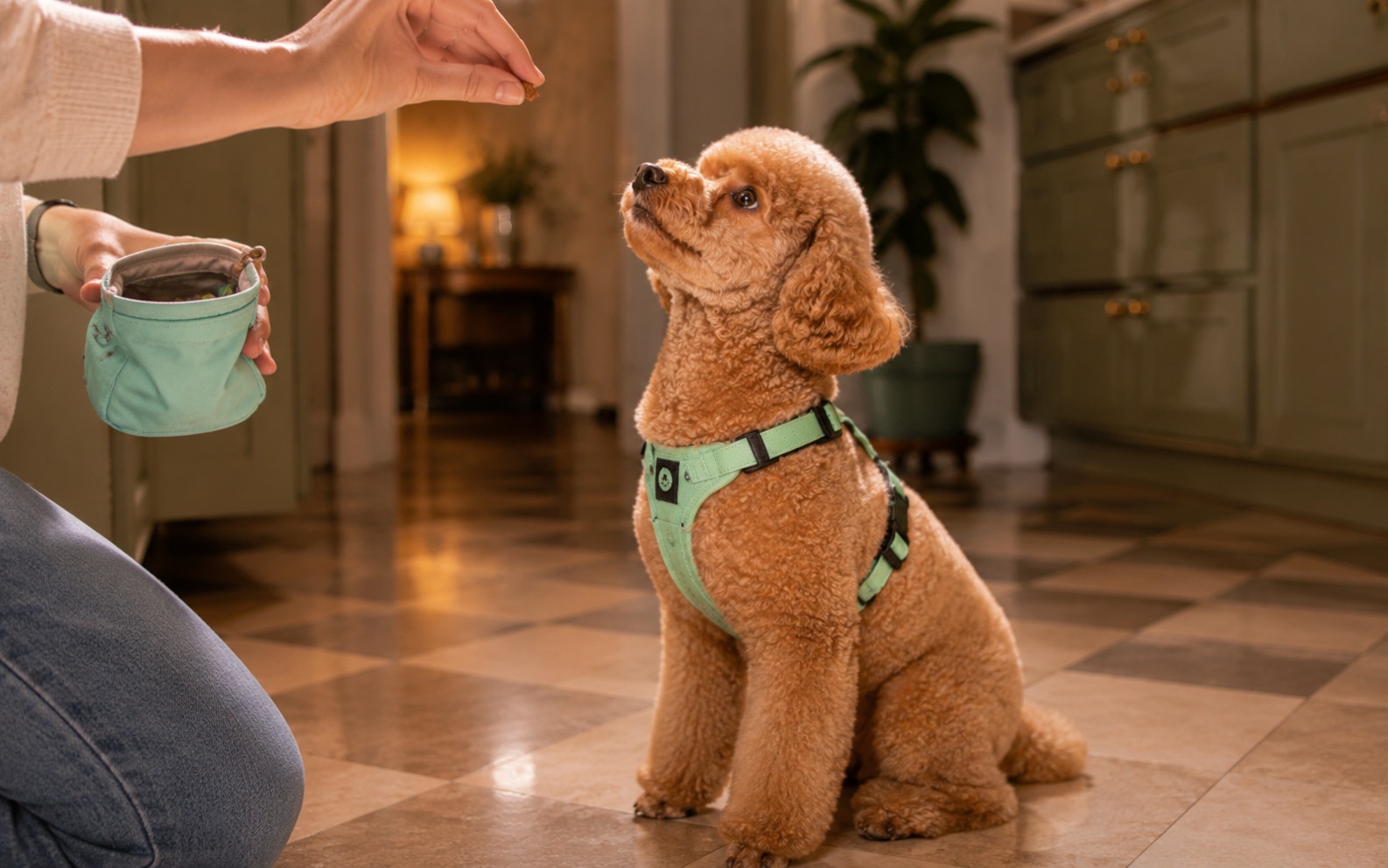
Learning how to choose the right pet means looking beyond the first emotional spark. A sweet face can inspire instant attachment. Daily care, however, depends on time, space, money, patience, and lifestyle. The best match feels loving and realistic. It supports both the person and the animal. A mismatch can create stress even when intentions are good. Responsible pet ownership starts before adoption or purchase. It begins with honest questions about your routine. A thoughtful pet compatibility planning pack helps turn emotion into a clearer decision.
Your lifestyle shapes your pet’s daily experience. Work hours matter. Travel habits matter. Noise tolerance matters. Energy level matters more than many people expect. A high-energy dog may struggle in a low-activity household. A social animal may feel lonely with limited interaction. A delicate pet may not suit a chaotic home. Honest answers prevent future frustration. They also protect animals from being placed in homes that cannot meet their needs. Compatibility is not about being perfect. It is about understanding what you can consistently provide.
Daily care reveals whether a pet truly fits. Feeding is only one part. Grooming, exercise, cleaning, training, enrichment, and veterinary needs also matter. Some pets require daily handling. Others need specialized habitats. Costs can change with age, illness, and breed traits. Time commitments also vary widely. Research should feel specific, not vague. A right-pet decision toolkit can help compare these requirements side by side. Clarity makes the final choice less impulsive and more compassionate.
Space matters, but not always in obvious ways. A small home can suit some pets beautifully. A large home can still fail an animal that needs attention. Consider layout, noise, stairs, outdoor access, and safe zones. Think about where supplies will go. Imagine cleaning routines honestly. If you rent, check rules before falling in love. If you share your home, include everyone in the discussion. Space should support natural behavior. A pet needs room to rest, eat, play, hide, and feel secure without constant conflict.
Pets are not short-term projects. Some companions may live for many years. Your future plans should be part of the decision. Moving, children, travel, career changes, and finances can affect care. Nobody can predict everything. Still, responsible planning reduces avoidable strain. Think beyond the first month. Picture year three, year five, and later life. A personal pet match bundle can help owners evaluate long-term fit before emotions take over. Love becomes stronger when it has a practical foundation.
Pet decisions should include every affected person. Who handles feeding? Who cleans? Who schedules veterinary visits? Who trains, walks, or supervises? What happens during vacations? What budget feels realistic? Are allergies a concern? Does anyone fear certain animals? These questions may feel unromantic, but they protect the relationship. They also prevent resentment later. A family that plans clearly can welcome a pet with more confidence. The animal benefits because care expectations are consistent from the beginning.
The best pet relationship feels joyful because the match is realistic. You understand the animal’s needs. The animal receives care that fits its nature. Daily routines feel manageable instead of surprising. Challenges still happen, but they feel solvable. Compatibility does not remove responsibility. It makes responsibility easier to sustain. When people choose carefully, pets are less likely to be misunderstood. They are also more likely to thrive. A thoughtful decision gives love somewhere stable to grow, and that stability becomes the quiet heart of the bond.


Leave a comment