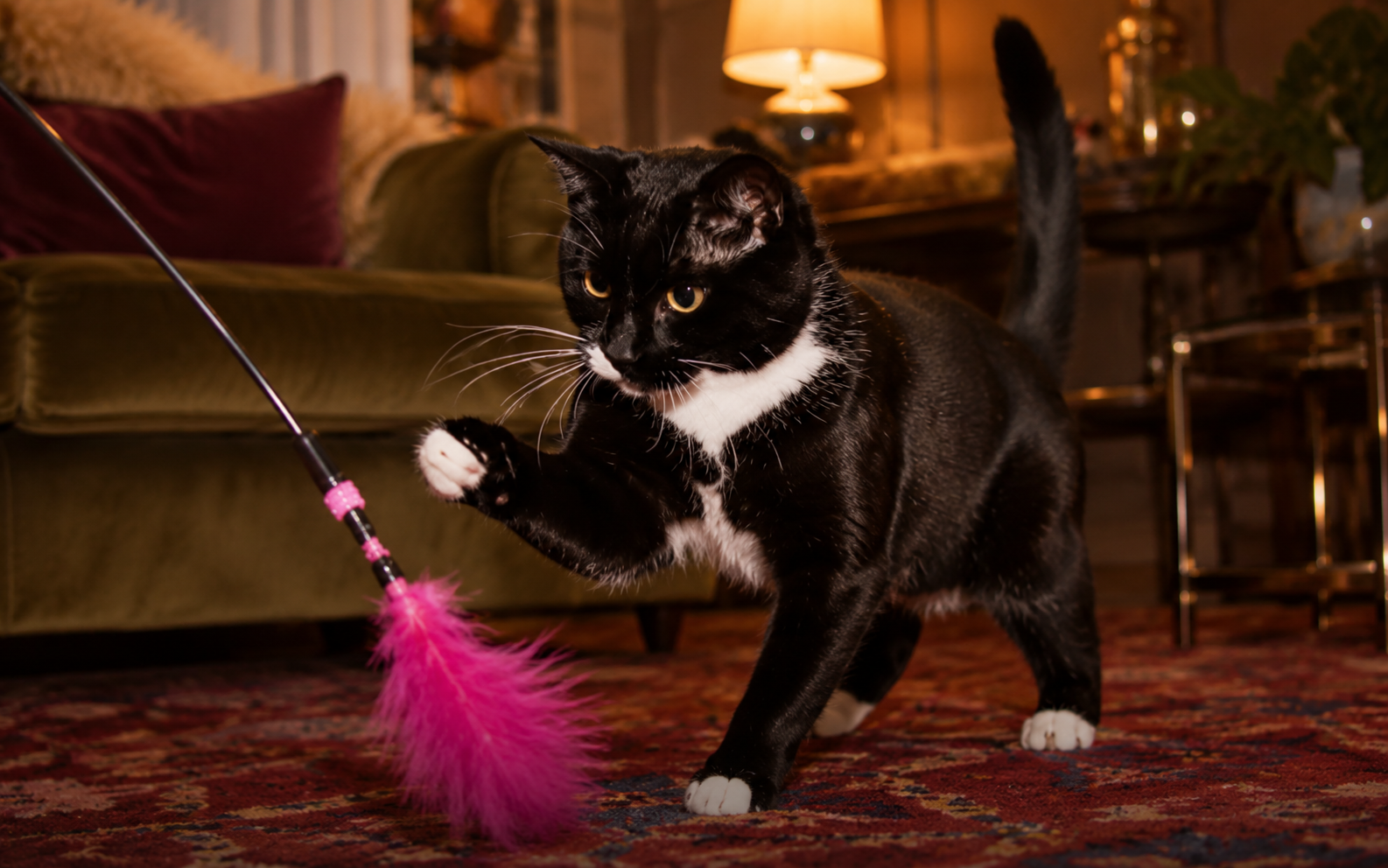
Pet safety at home is not only about emergencies. It is about preventing small risks from becoming dramatic moments. A loose pill on the floor matters. A tilted bookshelf matters. A snack left on a table can matter more than expected. Pets live close to our habits, so household routines shape their safety every day. The goal is not fear. The goal is practical awareness. A secure home lets pets explore with fewer dangers. It also helps owners feel calm instead of constantly reactive. A pet-proof living resource can make that awareness easier to apply.
A daily scan can prevent many accidents. Look at floors first. Check tables next. Notice what your pet can reach when standing, jumping, or climbing. Food wrappers, batteries, strings, and small toys should never linger. Laundry rooms need special attention. Detergent pods and dryer sheets can be dangerous. Entryways can collect road salt, bags, and dropped items. Living rooms often hide cords and remote batteries. The scan does not need to take long. It simply teaches you to notice hazards before your pet discovers them.
New pets often test boundaries quickly. They do not know your home rules yet. Puppies chew. Kittens climb. Rescue pets may hide in unexpected places. Give them a smaller safe zone first. Expand access as you learn their behavior. Remove tempting hazards before introductions. Secure trash, plants, cords, and open cabinets. Watch how they move through each room. A new pet home safety system can help owners prepare before excitement distracts from practical details. Early structure prevents confusion later.
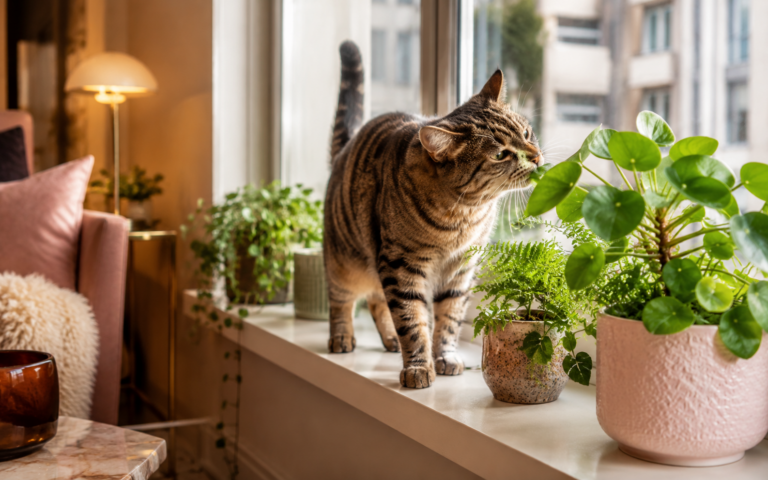
Food safety deserves constant attention. Many human foods are unsafe for pets. Even harmless leftovers can cause stomach upset. Keep meals away from curious noses and paws. Teach family members not to share without checking first. Plants also need review. Some popular houseplants can harm animals if chewed. Place questionable plants out of reach or remove them completely. Compost bins and fruit bowls can create hidden problems. Guests may not know your rules. Clear reminders protect pets from well-meaning but unsafe treats.
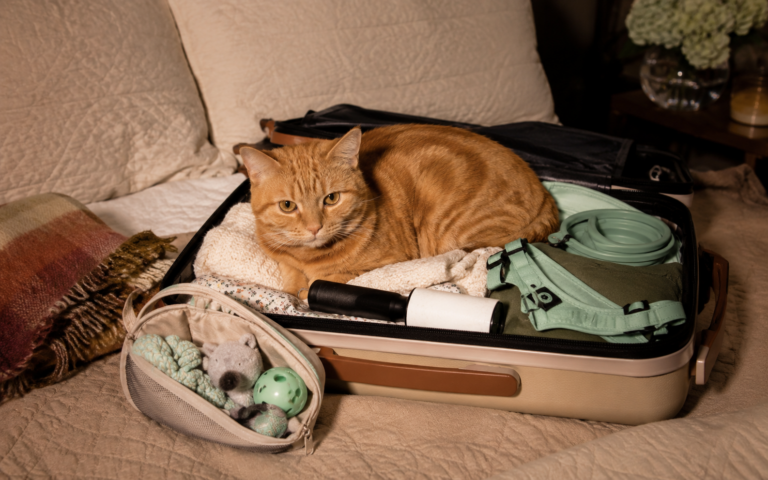
Busy days create shortcuts, and shortcuts create risk. A grocery bag left open can invite trouble. A suitcase on the floor may contain cosmetics, medication, or snacks. A craft project can scatter thread, glue, or beads. When life gets hectic, safety routines matter more. Build simple habits that work under pressure. Close doors. Clear counters. Put bags on high hooks. Use covered bins. A pet home protection pack helps turn these habits into a repeatable household system.
Pet safety improves when everyone understands the same rules. Children need clear explanations, not vague warnings. Visitors need quick guidance when they arrive. Roommates should know which doors stay closed. Family members should agree on feeding boundaries. Consistency prevents mixed signals. It also keeps safety from becoming one person’s entire responsibility. Place reminders where mistakes happen most. A note near the door can prevent escapes. A list near the kitchen can prevent unsafe snacks. Shared systems make homes safer and calmer for everyone.
The best safety plan is one you can maintain. Complicated rules often disappear after a few busy weeks. Simple habits survive real life. Start with the highest-risk areas. Secure them first. Then move through the home gradually. Watch your pet’s behavior and adjust. A dog that counter-surfs needs different strategies than a cat that chews cords. Practical safety should fit the animal in front of you. When the setup feels natural, protection becomes part of the home instead of another stressful task.


Leave a comment